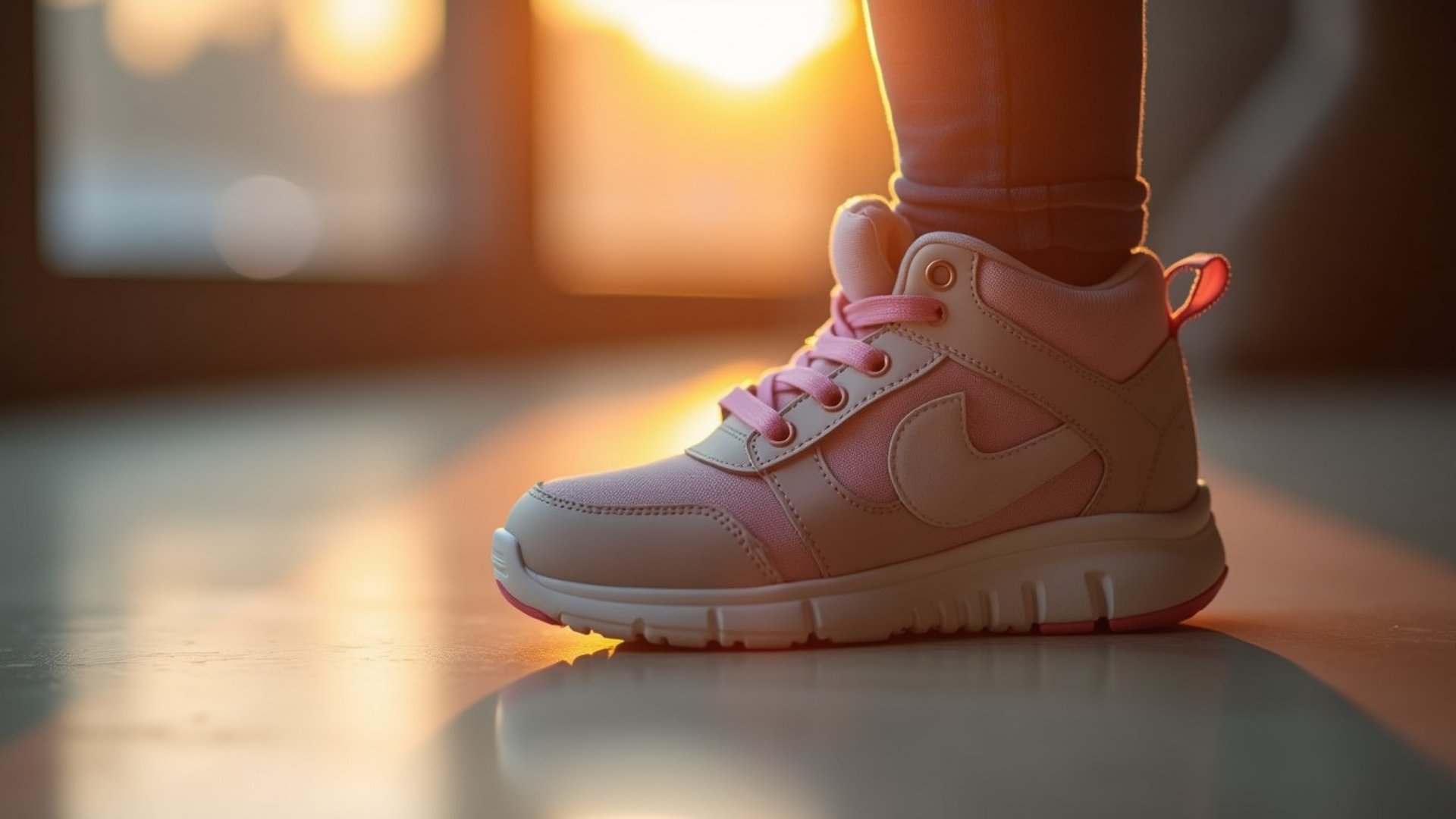
The best toddler shoes are flexible, lightweight footwear that bend at the ball of the foot, allow toes to spread naturally, and keep heel height near zero—three features pediatric OTs consider non-negotiable for healthy foot development.
Toddler feet are different from adult feet. They are still growing, and arches develop over the early years: many children with flexible flat feet don't start developing arches until about age 5 or older (American Academy of Orthopaedic Surgeons).
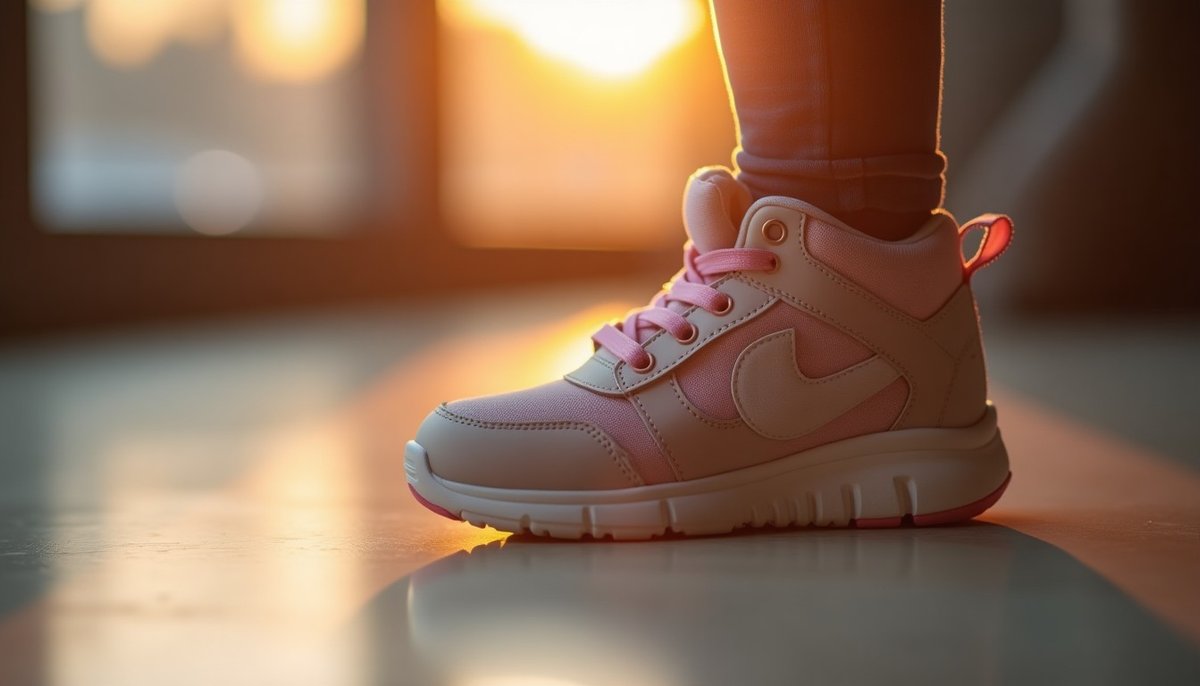
A 2011 systematic review in the Journal of Foot and Ankle Research found that shoes change how children walk, including longer steps and less foot motion (Wegener et al., 2011). Fit and flexibility both matter.
A pediatric occupational therapist can look at your child's walking, muscle tone, sensory processing and movement development. Shoe choice is one part of that picture, and it matters more than most parents are told.
What Does a Developmentally Appropriate Toddler Shoe Actually Look Like?
You see a lot of fancy words on shoe boxes. "Ergonomic support." "Motion control." "Podiatrist-approved." Some of these claims actually matter. Others are just marketing buzz.
Scientists and pediatric occupational therapists agree on what actually works. Here's what they look for.
Does the Sole Flex at the Ball of the Foot?
Hold the shoe in both hands. Push on the ball of the foot—the widest part at the base of the toes. A good toddler shoe bends easily there. If it bends at the arch instead, or doesn't bend much at all, the sole is too stiff.
When you walk, your foot needs to bend at the ball—especially when you push off with your toes for the next step. A stiff sole stops this bending. The foot muscles that push off don't develop right because the shoe is doing all the work, or actually stopping it.
Is the Toe Box Wide Enough?
Toddler feet are widest at the toes. Many fashion shoes are wider farther back, near the arch. This mismatch squeezes the toes into a shape they shouldn't be in.
Here's a simple test: put your child's foot on paper and trace it. Then put the shoe on the same paper. If the shoe outline is narrower than the foot anywhere across the toes, the shoe doesn't fit—even if it looks long enough.
Is the Shoe Lightweight?
Shoes that are too heavy can change how a child walks and tire out their leg muscles during development. Heavy shoes make the child lift their foot differently. The stride gets shorter. The leg muscles work harder but don't gain anything from it.
Heavy, padded shoes add weight and reduce how much a child can feel through their feet. If a shoe feels heavy in your hand, look for a lighter option.
What Is the Heel-to-Toe Drop?
The heel-to-toe drop is how much higher the heel is than the toe of the shoe. Even a small raised heel tips the child forward. The body adjusts by bending differently at the hips and knees, which changes how the child walks.
Toddlers do best in shoes with almost no heel height. This keeps their weight centered. But many toddler shoes, especially running shoes, have heels that are much too high.
Is the Fastening Secure Without Fine Motor Demands?
Velcro works best at this age. When a shoe loosens as your child walks, they have to grip with their toes, shorten their steps, or shuffle. All of these adjustments waste energy they need for real development.
Are Barefoot Shoes Scientifically Better for Toddlers?
There's real science behind barefoot shoes. Here's what the research actually shows—and when it doesn't apply to every child.
Research shows shoes change how children walk: in shoes, children take longer steps and their feet move less, including less big-toe motion and less forefoot widening (Wegener et al., 2011).
Walking barefoot indoors on safe surfaces lets toddlers feel the ground through their feet. A 2017 study in Scientific Reports found that habitual shoe use was linked to lower foot arches and smaller big-toe angles compared with growing up habitually barefoot (Hollander et al., 2017).
So are barefoot shoes always the better choice? No.
This research applies to kids with typical development and typical nervous systems. But it changes for some other kids.
Kids with low muscle tone may need a different kind of shoe. Ask a physiotherapist or occupational therapist before choosing.
Kids who walk on their toes need an assessment first, because the right footwear depends on why they toe walk.
Kids with big sensory sensitivities might find barefoot shoes harder to wear, not easier. These shoes let more feeling come through the sole. For a kid already upset about wearing shoes, more sensation can be too much.
This is where a pediatric OT can really help. The research is useful. But what matters most is understanding your own child.
How Do Sensory Processing Differences Change the Shoe Equation?
For many families in Burnaby and Greater Vancouver, this is the section that matters most.
Kids with autism, ADHD, or sensory processing differences often fight hard against shoes every day. They refuse to put them on. They kick them off right away. They have meltdowns over sock seams before the shoe even arrives. They wear the same old pair long after it hurts because switching to a new pair feels impossible.
This isn't defiance. It's the nervous system responding exactly as it's built to—seeing the sensory input as genuinely overwhelming, not just annoying.
This matters for many families. The CDC's ADDM Network reported in 2025 that about 1 in 31 eight-year-olds in the United States had been identified with autism in 2022, and sensory differences are common in autistic children. In a study of 925 children aged 7 to 11, parents of 16% reported that at least four touch or sound sensations bothered their child (Ben-Sasson, Carter & Briggs-Gowan, 2009).
Shoes are a sensory storm for these kids. Think about what a shoe does to your body all day:
- It puts steady pressure across the top and sides of the foot
- Seams inside the toe push against the skin with every step
- The collar squeezes the ankle
- The insole texture is felt on the whole sole with every step
- Velcro or laces add more feeling on top of the foot
- New shoes have chemical smells that are totally new to a child
For a kid with sensory hypersensitivity, any one of these things can be genuinely unbearable—not just annoying, but triggering a full stress response. Telling that kid to "just wear the shoes" isn't good parenting. It's missing what's actually happening in their nervous system.
What actually helps
Seam-free socks are the best first step. Seam-free socks made for children with sensory sensitivities are widely available. Removing that one pain point at the toe often changes the whole shoe-wearing experience.
For picking shoes, sensory-sensitive kids need: no seams inside the toe box, a soft collar that doesn't squeeze the ankle, breathable materials (plastic traps heat and makes sensation worse), and an insole that feels the same all over.
Slow, gentle exposure works better than forcing it. Here's how: start with the shoe nearby during play. Then rest it on the foot while the child watches something. Then wear it briefly on a safe surface. Then slowly add more time and different places. An OT trained in sensory work creates a plan that's structured, paced, and just right for each child.
Sensory-focused occupational therapy, including help with shoe tolerance and daily living skills, is part of what our team offers through KidStart's pediatric therapy services.
If your child has autism, occupational therapy for sensory processing and daily living might be covered by BC Autism Funding. The Ministry of Children and Family Development runs this funding. The program ends on March 31, 2027. Check gov.bc.ca or contact us to see what your family qualifies for.
Which Toddler Shoe Brands Meet These Standards?
No single brand works for every child. But some brands consistently meet the standards that matter. These are brands that OTs and pediatric foot doctors recommend for good reason.
See Kai Run: known for a wide toe box, flexible sole and light weight. Check each model with the bend test.
Pediped: another brand parents compare for flexible toddler shoes.
Stonz (Vancouver, British Columbia): a local brand, founded in 2004, that makes footwear for wet and cold weather. Try them on to check toe room and flexibility.
Stride Rite: widely available, with some styles in more than one width.
Robeez: a soft-soled shoe brand founded in North Vancouver in 1994, often chosen for early walkers indoors because the soft sole bends easily.
What to avoid consistently:
- Shoes with a sole that won't bend at all
- High-top fashion boots that restrict ankle movement before the child has good ankle strength
- Shoes with a noticeably raised heel for daily wear
- Very narrow toe boxes, common in "mini adult" fashion shoes
- Heavy padded boots worn as everyday indoor shoes
The APMA gives a "Seal of Acceptance" to shoes that meet foot health standards. Not every good developmental shoe has this seal. But it's a useful shortcut when you're comparing shoes fast.
When Should Toddler Shoe Trouble Signal a Bigger Developmental Concern?
Shoes don't cause developmental differences. But how a child reacts to shoes can show existing differences earlier—and the wrong shoes can slow down development.
These signs mean you need a professional assessment, not just a new shoe.
Persistent Toe-walking
Toe-walking is normal when kids are learning to walk. It becomes a real concern when your child always walks on their toes across all surfaces, continues to do so persistently into later toddlerhood, and doesn't switch to heel-walking when asked. It can be linked to tight Achilles tendons, autism, cerebral palsy, or sensory differences. A new shoe won't fix this. Early assessment points you toward the right help.
W-sitting all the time
W-sitting (legs spread back in a W shape) all the time is worth mentioning to an occupational therapist or physiotherapist, especially if you also see frequent falls or low energy for active play.
Falling much more than other kids
All kids fall sometimes. But frequent falls on flat ground, trouble with stairs, or avoiding running and active play should be checked out. These can mean problems with coordination, body awareness, or muscle tone—all things that OT helps with.
Severe shoe refusal that limits daily life
If your child can't go to daycare, join family outings, or function in the community because they won't wear shoes, this is bigger than just picking better shoes. This level of distress shows sensory processing differences that respond well to early, focused OT.
Uneven shoe wear
Check the soles after a few months of wear. Normal wear is pretty even, or slightly heavier on the outer heel and ball. If one shoe is worn much more than the other—especially on one side—it might mean your child walks unevenly.
If any of these sound like your child, get an assessment—not just a new shoe. Our behavioral therapy and OT teams work together to help kids with sensory, movement, and behavior differences across Burnaby, Coquitlam, and Greater Vancouver.
If your child has autism, BC Autism Funding through MCFD might cover therapy. Contact us to see what your family qualifies for.
中文摘要 — 為普通話及廣東話家長而設
以下是本文的重點摘要:
為學步兒童選擇合適的鞋子,對其腳部和整體動作發展至關重要。以下是最重要的幾個要點:
選鞋的四個關鍵標準:
1. 鞋底彈性:在前腳掌位置能輕易彎曲,而非在足弓位置。 2. 寬闊鞋頭:讓腳趾有空間自然伸展,不受擠壓。 3. 輕量設計:避免過重的鞋子影響孩子的步態發展。 4. 低跟差:鞋跟與鞋頭的高度差應越低越好。
感統敏感的孩子(包括自閉症譜系障礙或感統失調的兒童)往往對鞋子有強烈的抗拒。這不是行為問題,而是感覺處理差異的表現。職業治療師(OT)可以幫助孩子逐步建立對穿鞋的耐受能力。
需要尋求評估的信號:
- 幼兒期後仍持續踮腳走路
- 鞋子問題嚴重影響日常生活或上學
- 跌倒次數明顯多於同齡孩子
- 慣性以「W型」姿勢坐在地上
KidStart兒童治療中心提供職業治療、言語治療及行為治療服務,服務本拿比(Burnaby)、高貴林(Coquitlam)及大溫哥華地區的家庭。符合資格的家庭可申請卑詩省自閉症資助計劃(BC Autism Funding),部分治療費用可能獲得資助。請致電 604-336-6885 或訪問我們的網站了解更多詳情。
Test Your Knowledge
1. According to the 2011 review cited in the article, how do shoes change children's walking?
- A. They make no difference
- ✅ B. Children take longer steps and their feet move less
- C. Children always walk more slowly
- D. Shoes only matter for running
*The Wegener et al. (2011) review found that in shoes, children take longer steps and their feet move less.*
2. For healthy development, toddler shoes should have a heel height that is:
- A. About one inch higher than the toes
- B. Half an inch higher than the toes
- ✅ C. Nearly level with the toe area
- D. Adjusted based on the child's walking stage
*The article states that toddlers develop best in shoes with almost no heel height, as this keeps their weight centered and prevents them from tipping forward unnaturally.*
3. Explain the paper-tracing method the article recommends for checking if a shoe's toe box is wide enough for your child.
Trace your child's foot on paper, then place the shoe on the same paper to compare outlines; if the shoe is narrower than the foot across the toes, it doesn't fit properly and is too tight.
4. According to the article, what did the 2017 Scientific Reports study link habitual shoe use to?
Lower foot arches and smaller big-toe angles, compared with growing up habitually barefoot (Hollander et al., 2017).