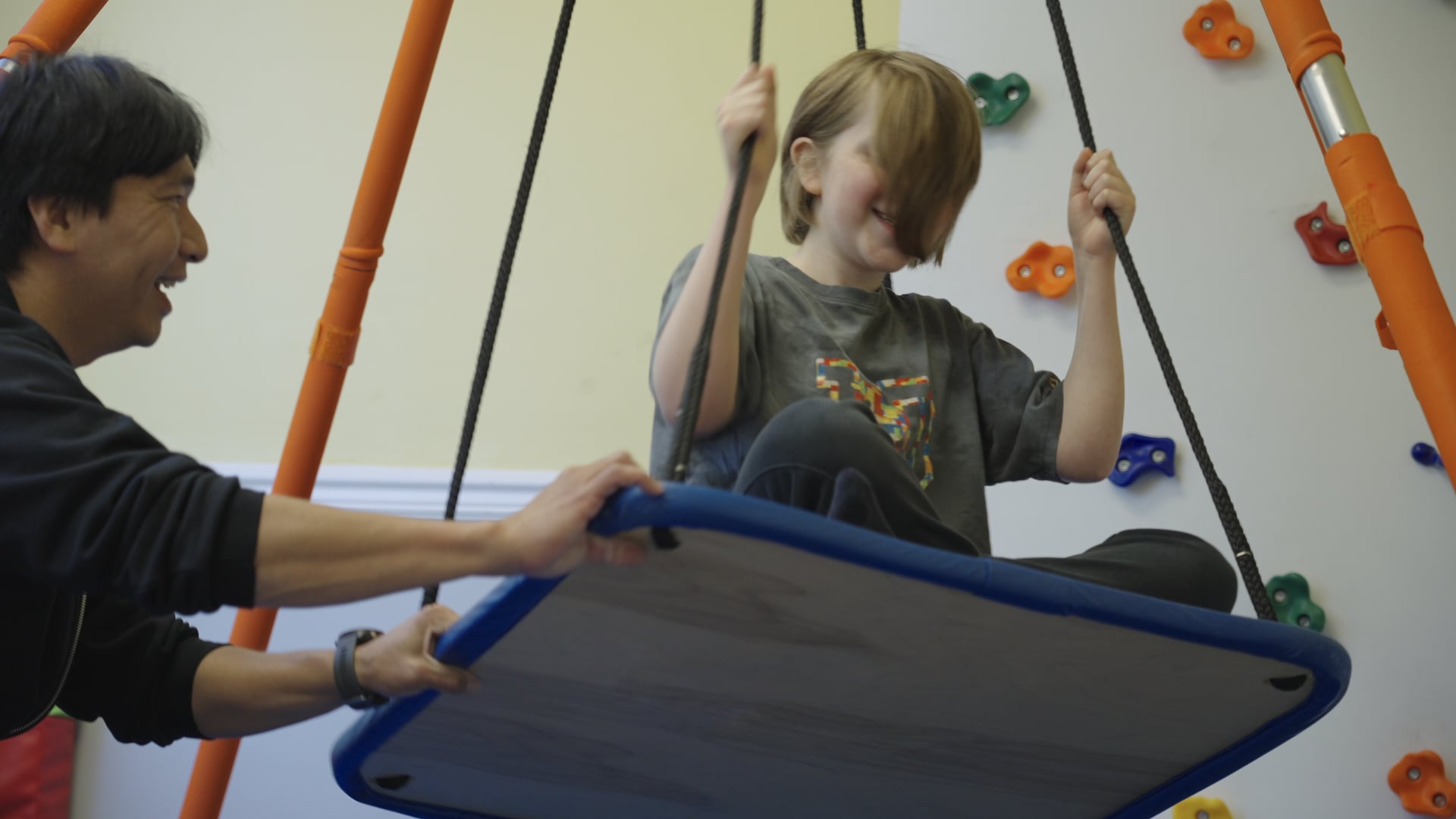
Sensory Integration Therapy
Pediatric occupational therapy for children who are overwhelmed by sound, touch, movement, transitions, or busy daily routines.
Sensory integration therapy at KidStart helps children understand, organize, and respond to sensory input so everyday routines feel more manageable. Families often ask about this service when a child avoids textures, seeks constant movement, reacts strongly to noise, struggles with clothing or grooming, or has trouble staying regulated at home, daycare, or school.
At our Burnaby clinic, sensory integration support is delivered within pediatric occupational therapy. That matters because the goal is not simply to expose a child to more sensations. The goal is functional change: getting dressed with less distress, joining play without crashing into peers, tolerating classroom sound, improving coordination, or building enough body awareness to complete daily tasks more independently.
KidStart serves children and families from Burnaby, Coquitlam, Port Moody, Port Coquitlam, New Westminster, Vancouver, Surrey, and the surrounding Lower Mainland. A free consultation helps determine whether sensory integration therapy, broader pediatric occupational therapy, behaviour support, speech therapy, or a combined plan is the right starting point.
预约免费咨询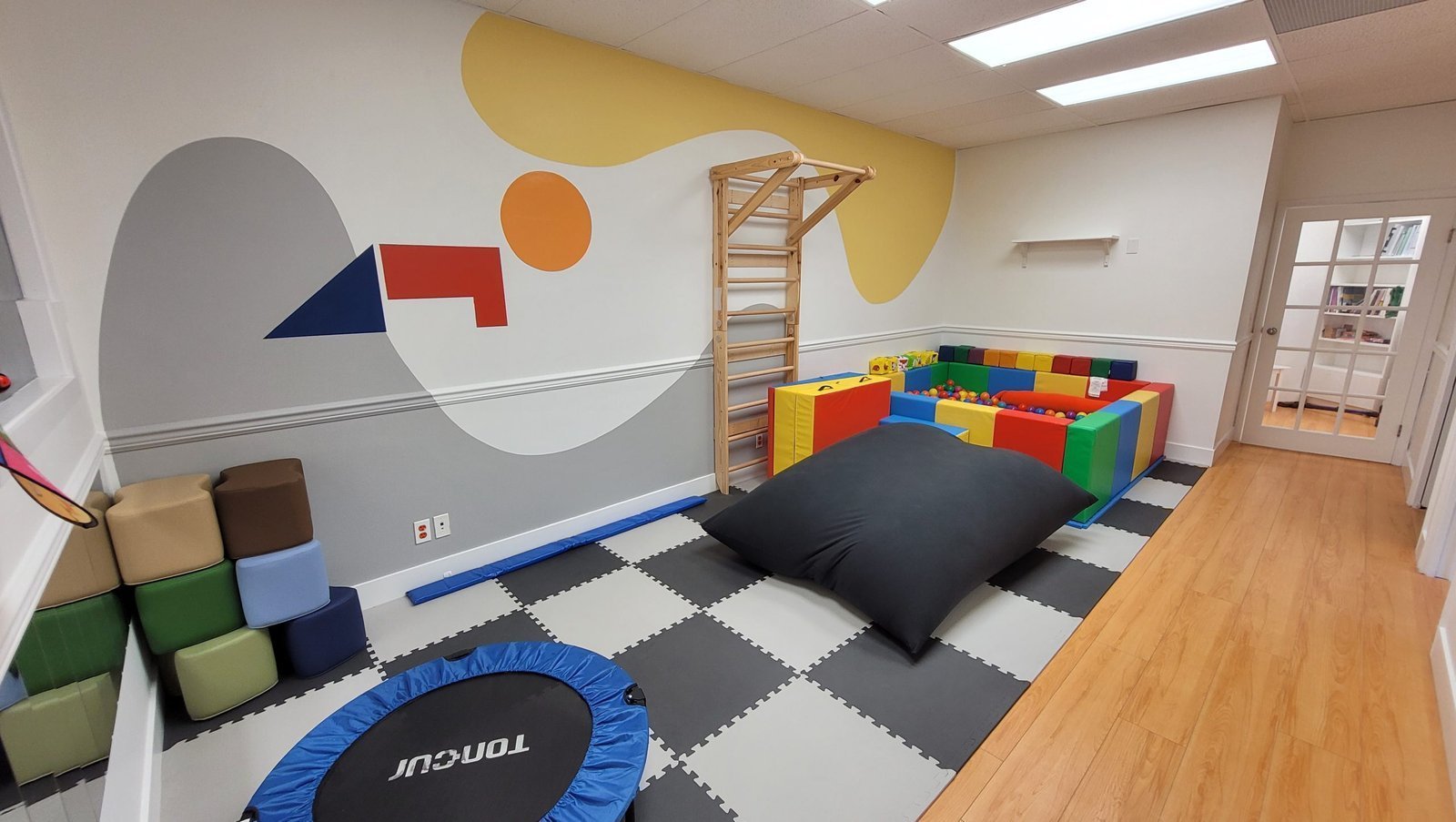
What Sensory Integration Therapy Means
Sensory integration therapy is an occupational therapy approach for children whose nervous systems have difficulty processing input from touch, movement, body position, sound, sight, taste, or smell. The American Occupational Therapy Association describes Ayres Sensory Integration as an approach used after evaluation, individualized to the child, play based, and supported by specialized clinical equipment.
A useful distinction for parents is this: sensory processing describes the challenge, while sensory integration therapy describes one possible treatment approach. A child may be over-responsive, under-responsive, sensory seeking, or have motor-planning difficulties. The therapy plan should match that profile rather than using the same sensory activities for every child.
At KidStart, sensory work is tied to practical participation. We look at where the sensory challenge appears: morning routines, eating, toileting, handwriting, playground play, transitions, family outings, or classroom participation. That is how the plan stays connected to real life instead of becoming a list of disconnected sensory activities.
Over-responsive patterns
A child may cover their ears, avoid messy play, gag at textures, resist clothing seams, or become distressed in crowded spaces.
Sensory-seeking patterns
A child may crash, jump, spin, chew, climb, push hard, or seek intense movement because their body needs stronger input to feel organized.
Motor-planning patterns
A child may look clumsy, avoid new playground tasks, struggle to imitate movements, or need more help learning multi-step physical activities.
Daily-routine impact
The reason to seek therapy is not the sensory preference itself; it is the effect on sleep, dressing, feeding, school, play, safety, and family routines.
When a Child May Need an OT Assessment
An occupational therapy assessment is appropriate when sensory reactions are frequent, intense, or disruptive enough to limit daily participation. Occasional sensitivity is common in childhood. The concern rises when a child cannot recover after everyday input, avoids necessary routines, or uses unsafe levels of movement to feel regulated.
Parents also seek sensory integration therapy when other explanations do not fully account for what they are seeing. For example, a child may be bright and verbal but unable to tolerate hair washing, sit for circle time, use playground equipment, or move through a grocery store without a meltdown. The assessment helps separate sensory factors from anxiety, behaviour patterns, communication needs, motor delays, sleep issues, and environmental demands.
- Strong reactions to sound, touch, clothing, grooming, food textures, smell, or visual busyness
- Constant crashing, jumping, spinning, chewing, pushing, or climbing that is hard to redirect safely
- Difficulty with balance, coordination, body awareness, posture, or learning new motor tasks
- Meltdowns around transitions, outings, school routines, bedtime, toileting, or dressing
- Avoidance of playgrounds, messy play, crafts, handwriting, feeding tasks, or self-care routines
- Sensory needs alongside autism, ADHD, developmental coordination disorder, developmental delay, or anxiety

How KidStart Evaluates Sensory Needs
The first step is a parent conversation and child-centered occupational therapy evaluation. The therapist asks what is hardest at home, school, daycare, and in the community, then observes how your child responds to movement, touch, body-position input, motor planning demands, and transitions. Standardized tools may be used when they fit the referral question.
A strong sensory plan should explain the pattern, the functional goals, and the home carryover. It should not promise a cure or imply that every behaviour is sensory. KidStart looks at the whole child: communication, motor skills, emotional regulation, sleep, attention, family routines, school expectations, and any diagnosis or funding pathway already involved.
For families using BC Autism Funding, occupational therapy can be part of an eligible service plan when provided by qualified professionals. The Province of British Columbia lists occupational therapists among service providers whose services may be funded for children in the Autism Funding Program, with current annual funding amounts varying by age group.
Assessment question
What sensory or motor pattern is interfering with the child’s participation?
Functional goal
Which daily routine should improve first: dressing, feeding, sleep, school participation, play, outings, or self-care?
Therapy fit
Does the child need sensory integration therapy, broader OT, parent coaching, school strategies, or coordinated care with another discipline?
Carryover plan
What can parents and caregivers do between sessions without turning the home into a clinic?
What Happens in Sensory Integration Therapy Sessions
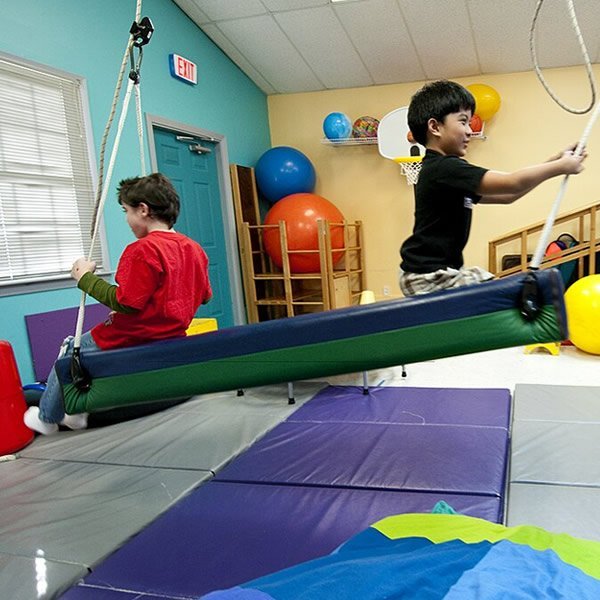
Sessions are play based, but they are not random play. The occupational therapist selects activities that give the child a structured sensory-motor challenge: climbing, swinging, balancing, pushing, pulling, tactile play, obstacle courses, body-awareness games, fine-motor tasks, or calming routines. The child is supported to stay engaged, solve the motor problem, and recover when the task becomes hard.
Ayres Sensory Integration fidelity principles emphasize an individualized, active, child-led approach with a “just-right challenge.” In plain language, that means the therapist should adapt the activity so it is neither too easy nor overwhelming. The child should experience success while gradually building capacity for harder sensory and motor demands.
Parents are part of the process. Your therapist may suggest changes to morning routines, clothing choices, sensory breaks, seating, visual structure, playground exposure, or bedtime transitions. The best plan is practical enough for real family life and specific enough that progress can be tracked.
1. Intake and goals
Clarify what is hardest now and what progress would look like in daily life.
2. OT evaluation
Observe sensory processing, motor planning, regulation, coordination, and functional skills.
3. Therapy plan
Choose goals, session frequency, home strategies, and school or daycare recommendations when needed.
4. Play-based sessions
Use structured sensory-motor activities to build regulation, confidence, coordination, and participation.
5. Parent coaching
Translate clinic gains into practical routines at home, school, and community outings.
6. Review and adjust
Track progress and revise the plan when goals, routines, or developmental demands change.
What Makes This Page Different From Generic Sensory Advice
Most online sensory advice jumps straight to a sensory diet, a swing, a weighted blanket, or a list of calming activities. Those tools can help some children, but they are not a substitute for assessment. The more important question is why a child is struggling and which daily function should improve.
KidStart’s approach is deliberately narrow: sensory integration therapy is considered when the child’s sensory processing pattern is interfering with participation and when an OT evaluation suggests this approach fits. Some children need a sensory integration plan. Others need motor-skill work, feeding support, behaviour consultation, counselling, communication support, school accommodations, or a simpler parent-coaching plan.
That distinction protects families from wasting time on generic activities. It also helps the therapy team choose goals that matter: fewer dressing battles, safer movement seeking, better tolerance for school noise, improved playground confidence, more settled transitions, or greater independence in self-care.
Why Families Choose KidStart for Sensory Integration Therapy
KidStart is a pediatric therapy clinic at #220 - 3355 North Road in Burnaby, near the Burnaby-Coquitlam border. The clinic offers occupational therapy, speech therapy, behaviour support, counselling, and therapy-integrated programs, which helps families whose child’s sensory needs overlap with communication, behaviour, learning, or emotional regulation.
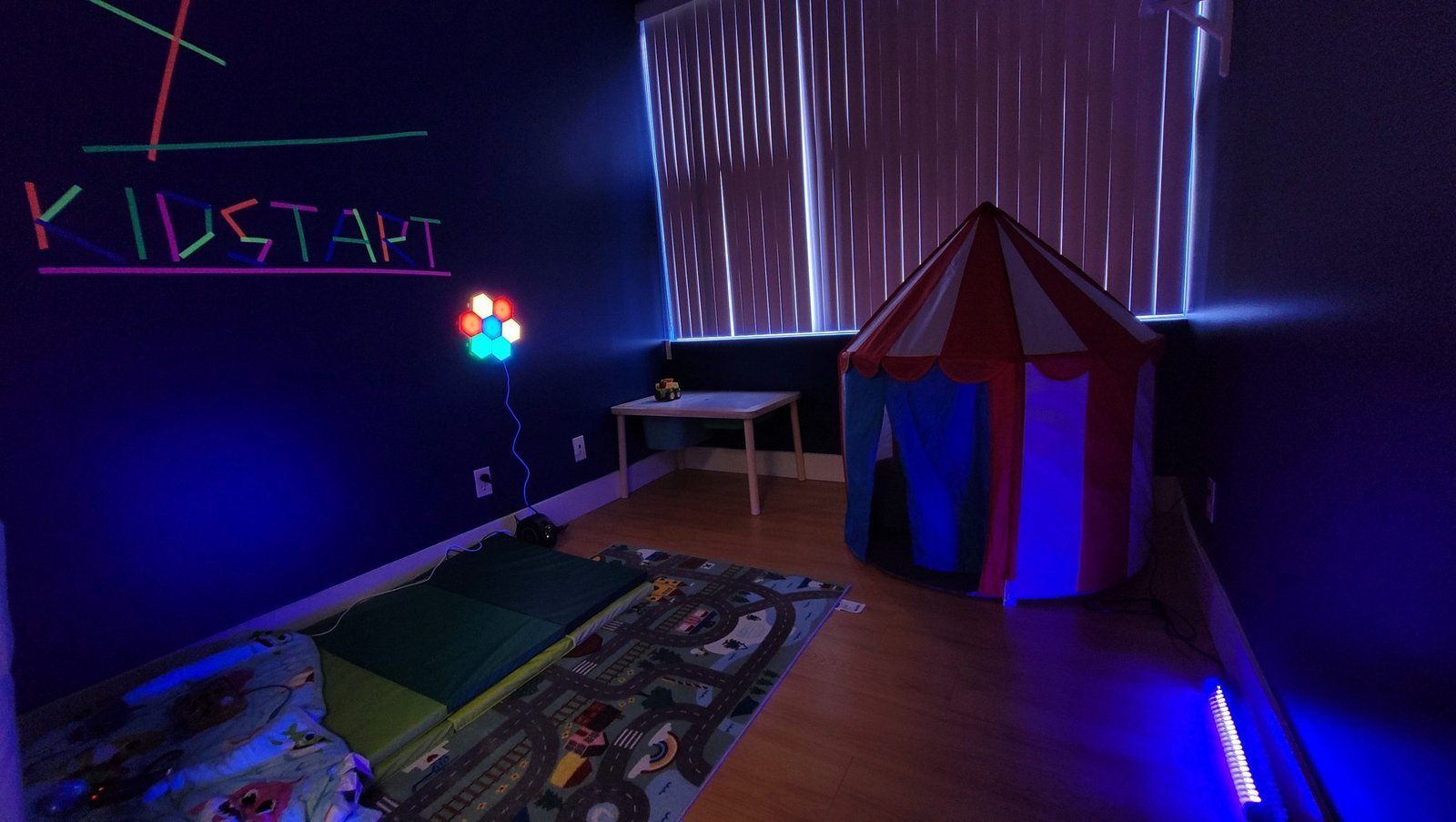
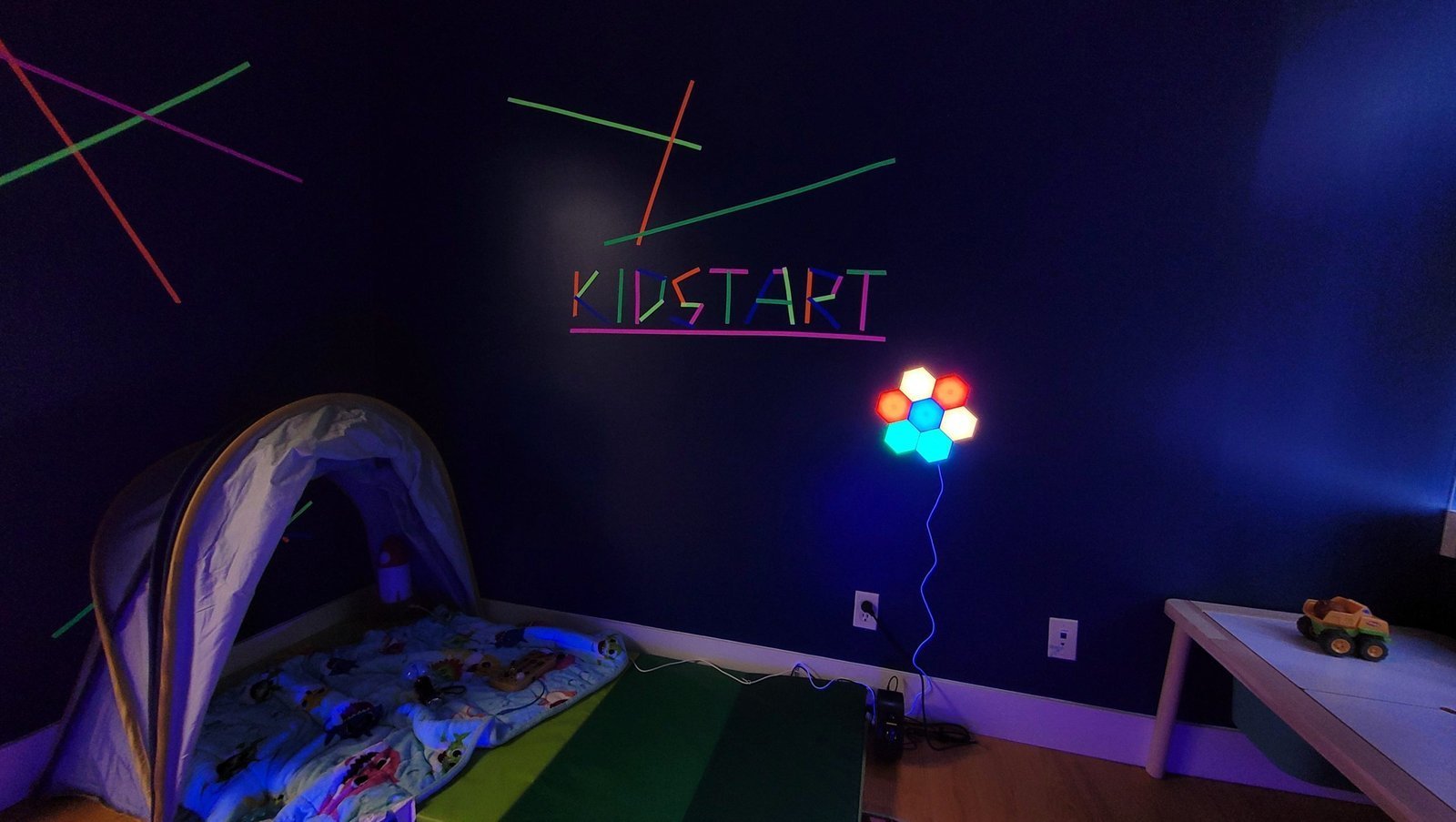
Founder and occupational therapist Shawn Chuang has advanced training in sensory integration and has completed the ASI certificate program from CLASI. KidStart’s public materials also describe an on-site sensory gym and pediatric occupational therapy services for children with sensory processing, autism, ADHD, developmental delays, and motor-skill needs.
- Pediatric OT assessment before recommending a sensory integration plan
- Burnaby clinic serving Coquitlam, Vancouver, New Westminster, Port Moody, Port Coquitlam, Surrey, and the Lower Mainland
- On-site sensory equipment used within child-specific occupational therapy goals
- Parent coaching so strategies carry into home, school, daycare, and community routines
- Coordinated care with speech therapy, behaviour support, counselling, and TILP when a child needs more than one service
- Free consultation before families commit to the next step
常见问题
What is sensory integration therapy?
Sensory integration therapy is a pediatric occupational therapy approach that helps children organize sensory input from movement, touch, body position, sound, sight, taste, and smell. At KidStart, the purpose is functional: helping a child participate more successfully in routines such as dressing, feeding, school, playground play, transitions, and family outings.
Is sensory integration therapy the same as occupational therapy?
No. Sensory integration therapy is one approach used within pediatric occupational therapy. Occupational therapy can also address fine motor skills, handwriting, feeding, self-care, executive functioning, play skills, and school participation. An OT assessment helps decide whether sensory integration is the right approach or whether another OT plan fits better.
How do I know if my child needs sensory integration therapy?
Consider an OT assessment if sensory reactions are intense, frequent, or disruptive enough to affect everyday life. Examples include distress with clothing or grooming, avoiding textures, meltdowns in noisy places, constant unsafe movement seeking, poor body awareness, or difficulty with transitions. The assessment identifies whether sensory processing is the main driver.
Does KidStart have sensory equipment?
KidStart’s public site describes an on-site sensory gym and pediatric OT services that include sensory integration support. Equipment may be used when it fits the child’s goals, but the equipment is not the treatment by itself. The therapist’s assessment, activity choice, grading, and parent carryover plan are what make the session therapeutic.
Can sensory integration therapy help children with autism or ADHD?
Many children with autism or ADHD also have sensory processing differences, and occupational therapy can help when those differences interfere with participation. The plan should still be individualized. Sensory integration therapy is not a blanket treatment for every autistic child or every child with ADHD; it is recommended when the evaluation supports it.
Is sensory integration therapy covered by BC Autism Funding?
Occupational therapy services may be eligible under BC Autism Funding when they meet provincial requirements and are provided by qualified professionals. Funding rules and annual amounts depend on the child’s age and current program rules, so families should confirm coverage with the Province of BC and their KidStart intake contact before booking.
How many sessions will my child need?
Session frequency depends on the assessment, the child’s goals, and how much support is needed between sessions. Some families need a short block focused on parent strategies and routines. Others need ongoing OT because sensory processing overlaps with motor planning, self-care, school participation, autism, ADHD, or developmental delay.
Related Reading for Parents
In-depth guides to help you understand your child's behaviour and what support looks like.
Book a Sensory Integration Consultation
If sensory processing is disrupting daily routines, start with a free consultation. KidStart will help you decide whether sensory integration therapy, broader OT, or coordinated pediatric support is the right next step.
KidStart 儿童治疗中心为本拿比及大温哥华地区的儿童提供专业的职能治疗、语言治疗和行为治疗。 前往KidStart 儿童治疗中心首页了解我们的全部服务。